Annual Health Checkups by Age: Which Tests Do You Really Need?
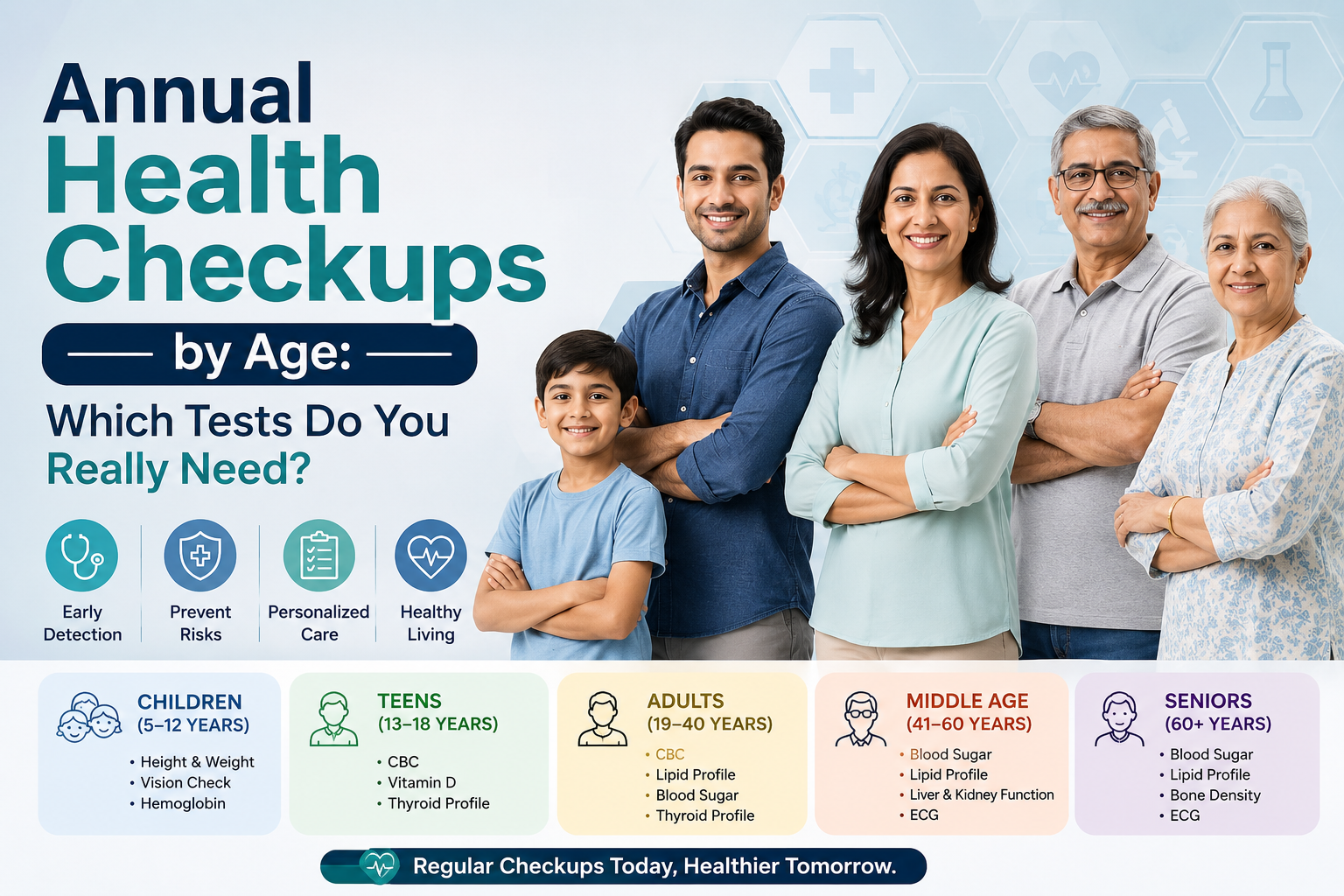
Maintaining good health is not only about treating illnesses when they occur but also about preventing them before they become serious. Annual health checkups play a vital role in identifying potential health problems at an early stage, often before symptoms appear. Regular medical screenings help monitor your overall health, assess your risk for chronic diseases, and ensure that any developing condition is detected and treated promptly.
As we age, our healthcare needs change. The tests recommended for a young adult may differ significantly from those advised for someone in their forties, fifties, or beyond. Understanding which health checkups are appropriate for your age can help you take a proactive approach to your well-being and enjoy a healthier, longer life.
Why Are Annual Health Checkups Important?
Annual health checkups are an essential part of preventive healthcare because they help identify medical conditions before they progress. Many chronic diseases, including diabetes, hypertension, heart disease, kidney disease, and certain cancers, may develop silently without noticeable symptoms. Routine screenings allow healthcare professionals to detect these conditions early, when treatment is often more effective and complications are less likely.
Regular checkups also provide an opportunity to review your lifestyle, discuss your medical history, evaluate your family health risks, and receive personalized guidance on nutrition, physical activity, stress management, and other healthy habits. Preventive care not only supports long-term health but can also reduce the need for more complex and costly treatments in the future.
What Health Checkups Should You Have in Your 20s?
Your twenties are the ideal time to establish healthy habits and build a strong foundation for lifelong wellness. Although most young adults are generally healthy, routine health assessments remain important. During this stage, doctors typically evaluate blood pressure, body mass index (BMI), vision, dental health, and mental well-being. Depending on your family history and personal risk factors, your healthcare provider may also recommend blood sugar testing, cholesterol screening, or thyroid function tests.
Women should discuss cervical cancer screening and reproductive health with their gynecologist, while men may benefit from counseling regarding lifestyle-related health risks. Maintaining regular health evaluations during your twenties helps detect hidden medical issues early and encourages healthier lifestyle choices.
Which Health Tests Are Recommended in Your 30s?
As people enter their thirties, lifestyle-related conditions become more common. Work-related stress, reduced physical activity, and changing metabolic health can increase the risk of hypertension, obesity, and diabetes. Annual health checkups during this decade often include blood pressure monitoring, cholesterol testing, blood glucose evaluation, liver and kidney function tests, and thyroid screening when appropriate.
Doctors may also recommend assessing vitamin deficiencies, reviewing vaccination status, and discussing mental health concerns. Women should continue regular cervical cancer screening and breast examinations, while men should pay attention to cardiovascular health and maintain a healthy lifestyle to reduce future disease risk.
What Health Screenings Are Important in Your 40s?
The forties represent a crucial period for preventive healthcare because the likelihood of developing chronic diseases increases with age. Annual health checkups become more comprehensive and often include cardiovascular risk assessment, diabetes screening, lipid profile evaluation, kidney and liver function tests, and eye examinations.
Women may be advised to begin routine mammography based on age, personal history, and medical recommendations. Men should discuss prostate health with their physician, especially if they have a family history of prostate disease. Screening for colorectal cancer may also be considered depending on individual risk factors and current medical guidelines.
Which Medical Tests Should You Consider in Your 50s and Beyond?
After the age of fifty, preventive healthcare becomes even more important. Routine health evaluations help monitor age-related conditions and improve long-term quality of life. Doctors commonly recommend comprehensive cardiovascular assessments, diabetes screening, bone health evaluation, vision and hearing examinations, and regular kidney and liver function testing.
Screening for colorectal cancer is strongly encouraged according to recommended screening schedules. Women should continue breast and cervical cancer screening as advised by their healthcare provider, while men may require prostate-specific antigen (PSA) testing based on individual risk and shared decision-making with their doctor. Bone density assessments may also be recommended, particularly for postmenopausal women and older adults at risk of osteoporosis.
How Does Family History Influence Health Checkups?
Family history plays a significant role in determining which health screenings you may need and when they should begin. Individuals with a family history of diabetes, heart disease, cancer, hypertension, thyroid disorders, or kidney disease may require earlier or more frequent testing than the general population.
Sharing your family’s medical history with your healthcare provider allows them to develop a personalized screening plan that addresses your unique risk factors and helps prevent future health complications.
Annual health checkups help detect diseases early, monitor overall health, and reduce the risk of serious medical complications through timely diagnosis and treatment.
Adults should begin routine annual health checkups in their 20s, although the specific tests recommended depend on age, gender, lifestyle, and family medical history.
Common tests include blood pressure measurement, blood sugar testing, cholesterol profile, complete blood count, kidney and liver function tests, urine analysis, and physical examination. Additional screenings may be recommended based on age and risk factors.
Yes. Even if you feel healthy, regular preventive screenings can identify hidden health conditions before symptoms develop, allowing earlier and more effective treatment.
Most adults benefit from an annual health checkup, but individuals with chronic illnesses or increased health risks may require more frequent monitoring as advised by their doctor.
Annual health checkups typically include blood pressure measurement, blood sugar testing, cholesterol profile, physical examination, and other screenings based on age, gender, and individual risk factors.
Recommended tests vary by age and may include diabetes screening, cholesterol testing, cancer screenings, thyroid function tests, bone density evaluation, and cardiovascular assessments depending on individual health needs.
Preventive screenings help identify diseases at an early stage, improve treatment outcomes, reduce complications, and promote long-term health.
Your healthcare provider will recommend appropriate screening tests based on your age, family history, medical history, lifestyle, and overall health status.
While they cannot prevent every disease, annual health checkups can detect many conditions early, allowing timely treatment and significantly reducing the risk of severe complications.