Shreeyash Hospital | Best Multispeciality Hospital in Kirkatwadi, Sinhagad Road, Pune
📍
Kirkatwadi, Pune-411024
📞
For Appointment: +91 8237779310
✉️
info@shreeyashhospital.com
⏰
24/7 Available

-
CALL: +91 8237779310
Piles Specialist in Kirkatwadi, Pune – Shreeyash Hospital
Shreeyash Hospital provides consultation services for piles, also known as hemorrhoids, in Kirkatwadi, Pune. Piles are swollen blood vessels in or around the anus and lower rectum that may cause symptoms such as bleeding during bowel movements, itching, discomfort, or swelling.
The appropriate management depends on the symptoms, severity of the condition, and clinical assessment. Depending on the diagnosis, treatment options may include dietary and lifestyle changes, medication, or a procedure when clinically indicated. Patients can contact Shreeyash Hospital to enquire about available consultation and treatment services.
What Are Piles?
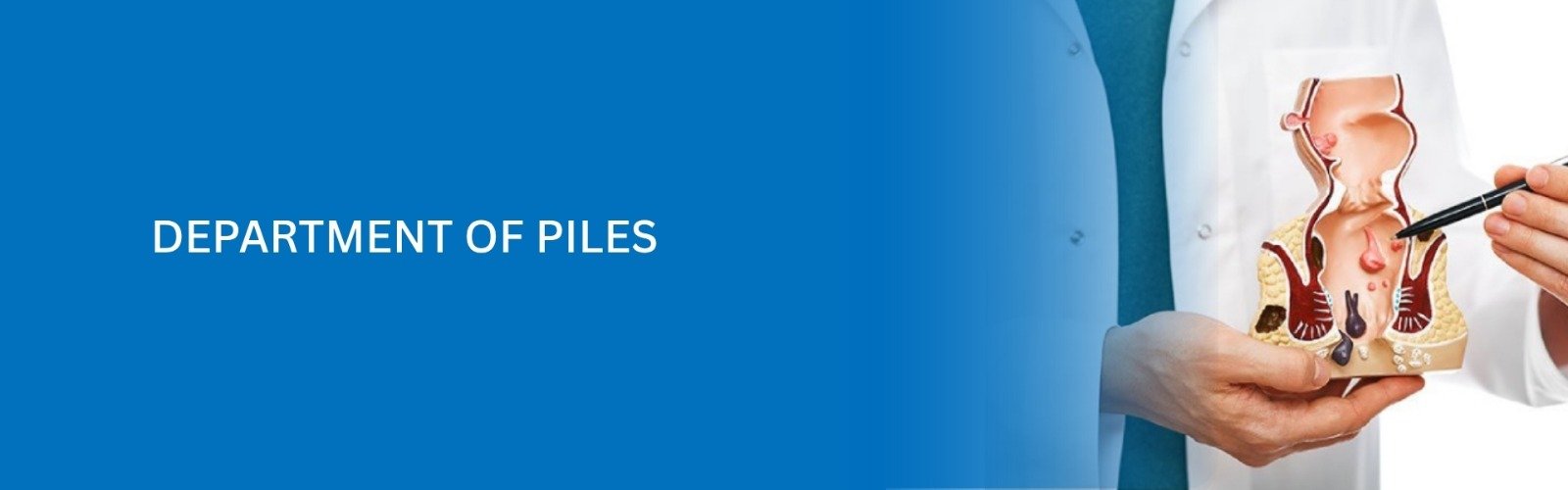
Piles, also known as hemorrhoids, are swollen veins in the lower rectum or anus. They can be internal (inside the rectum) or external (under the skin around the anus). Piles are a common condition and can cause discomfort, pain, and bleeding during bowel movements.
They are often caused by factors such as chronic constipation, prolonged sitting, straining during bowel movements, obesity, and low-fiber diet.
Management of piles depends on their severity and the symptoms they cause. Dietary changes, adequate fibre intake, avoiding straining during bowel movements, medication, or a procedure may be considered depending on the clinical assessment.
What Are the Symptoms of Piles?
- Pain or discomfort during bowel movements
- Bleeding while passing stool
- Itching or irritation in the anal region
- Swelling or lump near the anus
- Mucus discharge
- Feeling of incomplete bowel movement
Piles Treatment Options at Shreeyash Hospital
Treatment for piles depends on the severity of the condition, the symptoms, and the findings of the clinical assessment. Management may include dietary and lifestyle changes, medication, or a procedure when indicated.
A healthcare professional can explain the available options, their potential benefits and risks, and the expected follow-up requirements. The availability of specific procedures should be confirmed with the hospital.
- Medical management and medication
- Laser treatment for piles
- Minimally invasive procedures
- Diet and lifestyle counseling
- Treatment for fissure and fistula
- Post-treatment care and follow-up
Piles Treatment in Kirkatwadi, Pune
Piles may be managed through different approaches depending on the symptoms, severity, and clinical findings. A consultation can help determine whether dietary changes, medication, or a surgical procedure should be considered.
For selected patients, a procedure may be recommended after assessing the condition and discussing the available treatment options. Patients should ask their treating doctor about the potential risks, expected recovery, and follow-up care associated with the recommended approach.
Frequently Asked Questions — Piles Specialist in Kirkatwadi, Pune
Some cases of piles can be managed without surgery through dietary changes, increased fibre intake, avoiding straining during bowel movements, and medication when appropriate. The suitable approach depends on the severity of the condition and the clinical assessment. Some cases may require a procedure.
Laser procedures may be considered for selected patients with piles. Suitability depends on the diagnosis, severity of the condition, and the procedure being considered. As with other procedures, potential risks and benefits should be discussed with the treating surgeon before making a decision.
A fibre-rich diet, adequate fluid intake, and avoiding straining during bowel movements may help reduce constipation, which can aggravate piles. Foods that cause digestive discomfort can vary from person to person. A healthcare professional can provide dietary guidance based on the individual's needs.
To reduce constipation and straining, consider eating fibre-rich foods, drinking adequate fluids, staying physically active as appropriate, and responding promptly to the urge to pass stool. These measures may help reduce contributing factors, but they cannot guarantee that piles will never develop or recur.
Ask Any Question If You Have
Your email address will not be published. Required fields are marked *