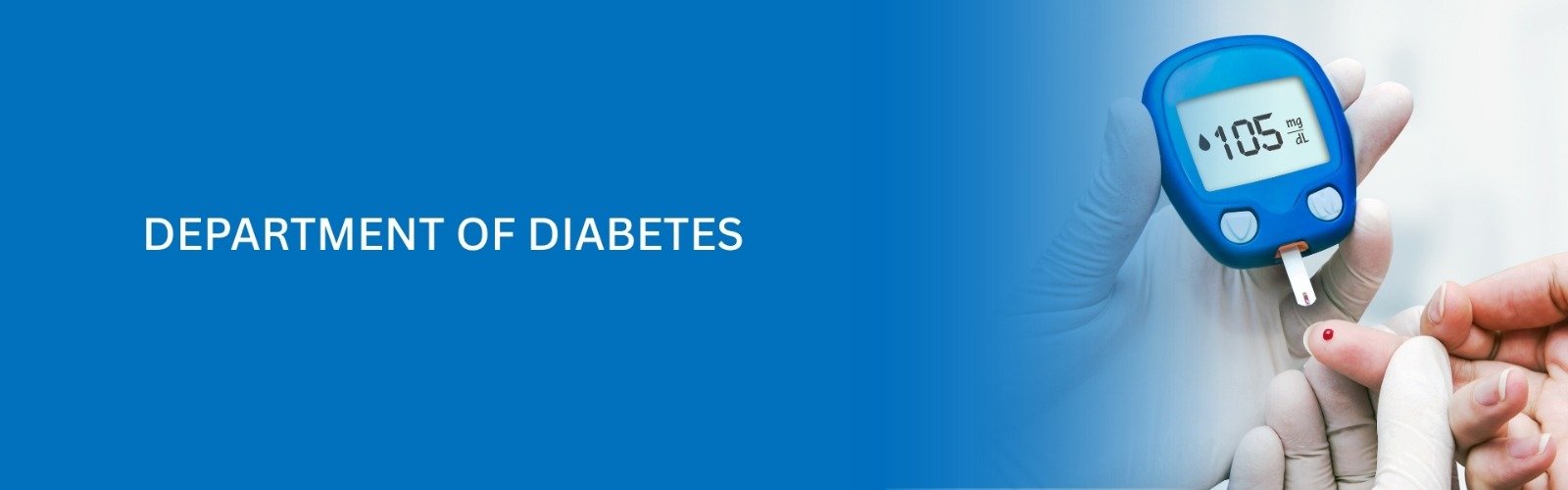
If you are searching for an experienced diabetologist in Kirkatwadi Pune, Shreeyash Hospital provides expert diabetes care with advanced treatment and personalized management plans. Our diabetes specialists focus on controlling blood sugar levels and preventing long-term complications.
We understand that diabetes requires continuous care, and our goal is to help patients live a healthy and balanced life.
Diabetes Care - Shreeyash Hospital
Diabetes is a disease in which the body has trouble controlling blood glucose. The treatment for diabetes will vary depending upon the type of diabetes, blood sugar readings, prior medical conditions and other health characteristics of each person.
During diabetes consultation, a doctor will review your blood sugar records, assess your physical symptoms, discuss possible treatment options with you, provide you with advice on how to improve your health through lifestyle changes, and then set up follow-up appointments.
Shreeyash Hospital has provided details about its diabetology service in Kirkatwadi, Pune. You should contact the hospital to find out if there are particular appointments, examinations or procedures available.
Types of Diabetes We Treat
Type 1 Diabetes
Type 1 diabetes is a condition where the body does not produce insulin, a hormone required to control blood sugar levels. It usually develops at a young age and requires lifelong insulin therapy. Patients with Type 1 diabetes need regular monitoring, proper medication, and lifestyle management to maintain healthy glucose levels.
At Shreeyash Hospital, our diabetologists provide complete care for Type 1 diabetes, including insulin management, continuous monitoring, and patient education to prevent complications and ensure a healthy life.
Type 2 Diabetes
Type 2 diabetes is the most common form of diabetes and occurs when the body does not use insulin effectively. It is often linked to lifestyle factors such as poor diet, lack of exercise, obesity, and stress. This condition can be managed with proper medication, diet control, and lifestyle changes.
Our specialists at Shreeyash Hospital offer personalized treatment plans for Type 2 diabetes, focusing on blood sugar control, weight management, and long-term prevention of complications.
Shreeyash Hospital Diabetology Services
Diabetes management can involve regular monitoring, medication review, lifestyle guidance and assessment of health conditions associated with diabetes. The services required depend on the patient’s diagnosis and medical needs.
Type 1 & Type 2 Sugar Management
HbA1c testing and regular follow-ups
Insulin therapy and medication management
Gestational Sugar Care During Pregnancy
Diet and lifestyle counseling
Management of diabetes complications
Symptoms of Diabetes
Diabetes symptoms can develop gradually and may vary from person to person. Common signs include frequent urination, excessive thirst, increased hunger, unexplained weight loss, fatigue, blurred vision, slow-healing wounds, and frequent infections. Early diagnosis and treatment can help prevent complications and improve overall health.
Frequent urination
Excessive thirst and hunger
Fatigue and weakness
Blurred vision
Slow healing wounds
Unexplained weight changes
Looking for a Diabetologist Near Nanded City?
If you are searching for expert diabetes care near Nanded City, Shreeyash Hospital offers diagnosis, treatment, and long-term management for Type 1 and Type 2 diabetes. Our experienced specialists provide personalized care, advanced blood sugar monitoring, and lifestyle guidance to help patients achieve better diabetes control and prevent complications. Visit our dedicated Diabetologist in Nanded City page to learn more about our specialized diabetes services and treatment options.
Frequently Asked Questions – Diabetologist in kirkatwadi
People with diabetes should limit sugary foods, soft drinks, processed snacks, white bread, and high-carbohydrate meals. A balanced diet with fiber-rich foods is recommended.
Type 1 Diabetes is a condition where the immune system attacks insulin-producing cells in the pancreas. It usually develops in children or young adults and requires lifelong insulin treatment.
Type 2 Diabetes occurs when the body becomes resistant to insulin or does not produce enough insulin. It is commonly linked to obesity, poor diet, and lack of physical activity.
Yes, many people with Type 2 diabetes can manage their condition with lifestyle changes, healthy eating, regular exercise, and oral medications. Some patients may still require insulin later.
Delaying treatment for Diabetes can lead to complications like heart disease, kidney damage, nerve problems, vision issues, and uncontrolled blood sugar levels. Early treatment helps prevent serious health risks.